
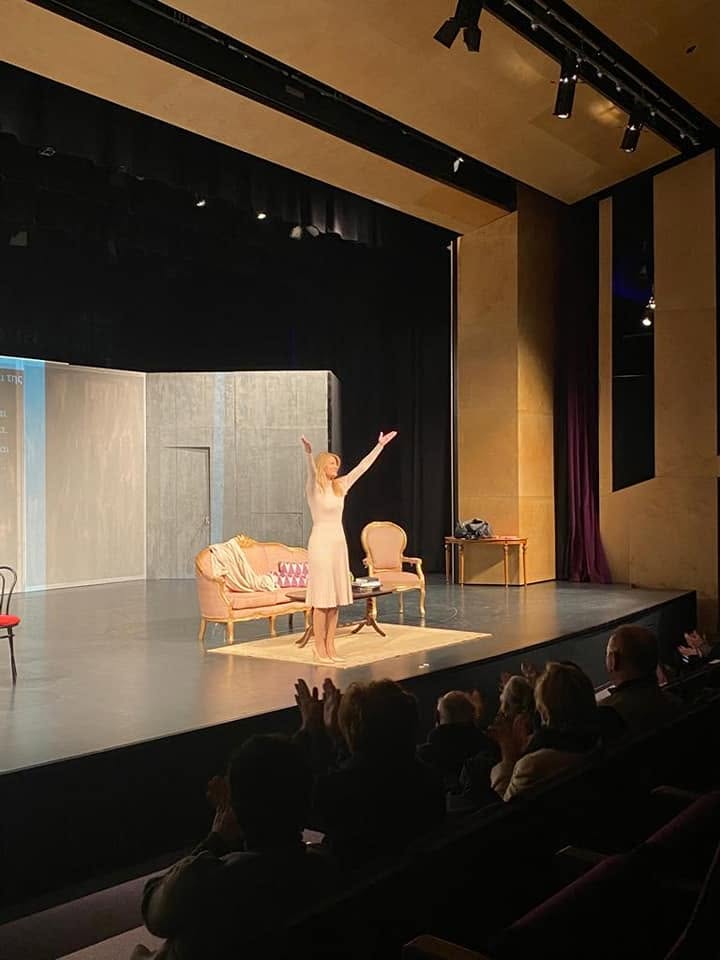
When people hear the word theatre, they often think of actors, scripts, and performances. I think of something different. I think of trust. Listening. Adaptability. Human connection.
Throughout my career, I’ve discovered that some of the most powerful leadership lessons don’t happen in boardrooms, they happen on a stage.
Theatre exercises create safe spaces…
where people practice communicating before the pressure of real-life conversations. They help teams become more aware of one another, not just of the task at hand.
Here are five of my favorites:
1. Mirror Exercise
Working in pairs, one person leads while the other mirrors every movement. It develops observation, empathy, and the ability to truly pay attention, skills every great leader needs.
2. “Yes, And…” Improvisation
Instead of rejecting ideas, participants build on each other’s contributions. This simple rule transforms conversations from defensive debates into collaborative problem-solving.
3. Status Switch
Participants intentionally change their posture, voice, and presence to explore different leadership dynamics. It increases awareness of how non-verbal communication influences trust and collaboration.
4. Story Circle
Each person adds one sentence to a shared story. Success depends on listening carefully, thinking creatively, and supporting the group rather than trying to dominate it.
5. Silent Ensemble Challenge
Teams complete a task without speaking. Suddenly, eye contact, body language, patience, and shared understanding become the most valuable forms of communication.
The best teams don’t communicate more, they communicate better.
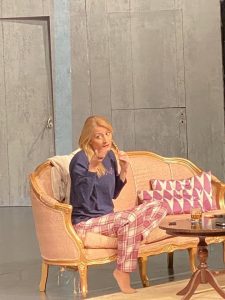
That is why I continue to believe theatre belongs far beyond the stage. It belongs in organizations that want leaders who inspire trust, teams that collaborate with confidence, and workplaces where people feel genuinely seen and heard.
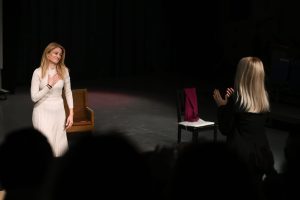
Because communication is never just about words.
It is about the human connection we create with one another.